
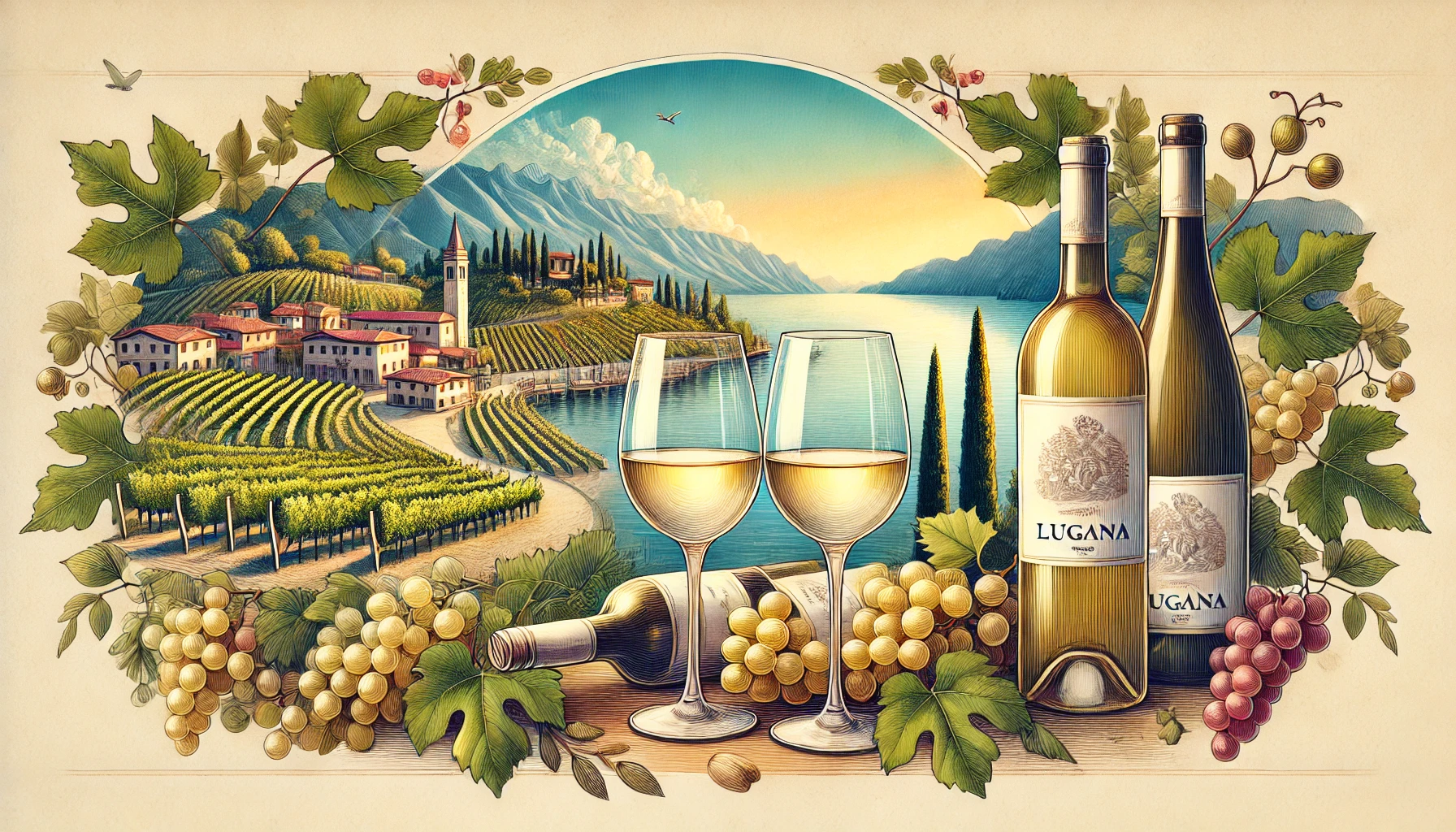
Lugana: Italy’s Hidden Gem
Introduction
Lugana, a white wine from the southern shores of Lake Garda in northern Italy, has gained a reputation as one of Italy’s most exquisite yet underappreciated wines. Known for its crispness, complexity, and aging potential, Lugana is a wine that captures the essence of its unique terroir. This guide will explore everything you need to know about Lugana wine—from its history and production methods to tasting notes and food pairings. Whether you’re a seasoned wine enthusiast or looking to expand your palate, this comprehensive guide will help you appreciate why Lugana is a must-have in any wine collection.
Chapter 1: The History of Lugana Wine
Ancient Beginnings
The origins of Lugana wine can be traced back to Roman times, when viticulture first took root in the fertile lands around Lake Garda. The region’s strategic location, combined with its temperate climate, made it ideal for grape cultivation. Lugana’s name itself is believed to derive from the Latin word “Lucus,” meaning “sacred wood,” referencing the dense forests that once covered the area.
Medieval and Renaissance Periods
During the Middle Ages, Lugana wine was highly prized by the nobility and clergy. The wine was often transported along the trade routes that connected northern Italy with the rest of Europe. In the Renaissance, Lugana continued to flourish, with many noble families establishing vineyards in the region.
Modern Era
In the 20th century, Lugana gained official recognition with the establishment of the Lugana DOC (Denominazione di Origine Controllata) in 1967. This designation helped to protect the wine’s quality and authenticity, paving the way for Lugana’s rise in popularity on the international stage.
Chapter 2: The Lugana Wine Region
Geography and Climate
The Lugana wine region is located in the southern part of Lake Garda, straddling the provinces of Brescia and Verona. The region is characterized by its flat, clay-rich soils, which are remnants of ancient glacial activity. The proximity to Lake Garda moderates the climate, providing a unique microclimate that is ideal for producing white wines with both freshness and depth.
The Subzones of Lugana
Lugana is divided into five distinct subzones, each offering slightly different expressions of the wine:
- Lugana: The core area, known for producing the most traditional and classic styles of Lugana wine.
- Lugana Superiore: Wines from this subzone are aged for at least one year, resulting in a more complex and structured wine.
- Lugana Riserva: Aged for a minimum of two years, including at least six months in the bottle, these wines offer greater depth and aging potential.
- Lugana Vendemmia Tardiva: Late-harvest wines that are sweeter and richer, often with notes of dried fruit and honey.
- Lugana Spumante: Sparkling versions of Lugana, produced using both the Charmat and traditional methods.
Terroir and Soil Composition
The soils of Lugana are predominantly clay, with a significant presence of limestone and mineral-rich sediments. This unique composition contributes to the wine’s minerality and crispness, as well as its ability to age gracefully. The region’s flat terrain, combined with the cooling effects of Lake Garda, allows for a long growing season, which is crucial for developing the wine’s aromatic complexity.
Chapter 3: The Grape Variety Behind Lugana
Trebbiano di Lugana (Turbiana)
Lugana is primarily made from the Trebbiano di Lugana grape, also known as Turbiana. This indigenous variety is closely related to Verdicchio, another well-known Italian white grape. Trebbiano di Lugana is prized for its ability to produce wines with high acidity, aromatic intensity, and a distinctive mineral character. It is also known for its versatility, capable of producing everything from light, fresh wines to more complex, age-worthy bottlings.
Chapter 4: The Production Process of Lugana
Harvesting and Fermentation
The grapes for Lugana are typically harvested by hand to ensure that only the best clusters are selected. The timing of the harvest is crucial, as it can greatly influence the balance of acidity and ripeness in the final wine. After harvesting, the grapes are gently pressed, and the juice is fermented in stainless steel tanks at controlled temperatures. This process helps to preserve the fresh, fruity aromas that are characteristic of Lugana.
Aging and Bottling
For Lugana Superiore and Riserva, the wines undergo additional aging, either in stainless steel, oak barrels, or a combination of both. This aging process adds complexity and depth to the wine, allowing it to develop more nuanced flavors over time. Once the aging process is complete, the wines are bottled and often undergo further aging in the bottle before being released to the market.
Sparkling Lugana
Lugana Spumante, the sparkling version of the wine, is produced using either the Charmat method (tank fermentation) or the traditional method (bottle fermentation). The choice of method affects the wine’s texture and flavor profile, with traditional-method sparkling wines often displaying more complexity and finer bubbles.
Chapter 5: Tasting and Enjoying Lugana Wine
Tasting Notes
Lugana wines are known for their bright, straw-yellow color and their expressive aromas of citrus, green apple, pear, and white flowers. On the palate, Lugana is typically dry, with a crisp acidity and flavors of lemon zest, peach, and almond, often accompanied by a subtle mineral note. The wine has a medium body and a refreshing finish, making it highly versatile and enjoyable on its own or with food.
Serving Tips
Lugana is best served chilled, at a temperature of around 45-50°F (7-10°C). This allows the wine’s aromas and flavors to fully express themselves. Lugana can be enjoyed young, within the first few years of its vintage, but higher-quality versions, particularly Lugana Superiore and Riserva, can benefit from additional aging, which adds complexity and richness.
Food Pairings
Lugana’s crisp acidity and vibrant flavors make it an excellent pairing for a wide range of dishes. It pairs beautifully with seafood, particularly lake fish like perch or trout, as well as shellfish, sushi, and light pasta dishes. Lugana also complements white meats, such as chicken or turkey, and mild cheeses. For a unique pairing, try Lugana with dishes that feature citrus or herbal flavors, which echo the wine’s own aromatic profile.
Chapter 6: Visiting the Lugana Wine Region
Exploring the Vineyards
Visiting the Lugana wine region offers a unique opportunity to explore the picturesque landscapes of Lake Garda while tasting some of Italy’s finest white wines. Many wineries in the region offer tours and tastings, where visitors can learn about the history and production of Lugana, walk through the vineyards, and enjoy the stunning views of the surrounding countryside.
Wine Tours and Tastings
Wine tours in Lugana often include visits to both historic estates and modern wineries, providing a comprehensive overview of the region’s winemaking traditions. Tastings typically feature a range of Lugana styles, from the fresh and vibrant Lugana to the more complex and aged Lugana Riserva. These tours offer an immersive experience, allowing visitors to deepen their understanding of the wine and the region’s unique terroir.
Local Cuisine and Culture
Pair your Lugana wine tasting experience with the local cuisine, which is heavily influenced by the region’s proximity to Lake Garda. Enjoy traditional dishes such as risotto with perch, lemon-infused pasta, and fresh seafood, all of which pair beautifully with Lugana wine. The region is also known for its rich cultural heritage, with charming villages, historic castles, and vibrant markets to explore.
Conclusion
Lugana is a wine that encapsulates the beauty and diversity of the Italian wine landscape. From its ancient origins to its modern-day acclaim, Lugana offers a unique tasting experience that is both refreshing and complex. Whether you’re a wine enthusiast looking to discover something new or simply searching for the perfect white wine to add to your collection, Lugana is a choice that won’t disappoint. By understanding its history, production, and the best ways to enjoy it, you can fully appreciate why Lugana has become one of Italy’s hidden gems.

Prosecco: Italy’s Sparkling Treasure
Introduction
Prosecco, Italy’s beloved sparkling wine, has taken the world by storm. Known for its light, fruity, and floral character, Prosecco is the perfect wine for any celebration, casual gathering, or as an everyday indulgence. This guide will explore everything you need to know about Prosecco, from its origins and production methods to the best ways to enjoy it. Whether you’re looking to purchase Prosecco for a special occasion or to expand your wine collection, this comprehensive guide will help you make an informed choice.
Chapter 1: The History of Prosecco
Ancient Beginnings
The history of Prosecco dates back to Roman times when the wine was first produced in the hills of northeastern Italy. The name “Prosecco” is derived from the village of Prosecco near Trieste, where the wine is believed to have originated.
Evolution Over the Centuries
Prosecco as we know it today began to take shape in the 19th century when the Glera grape, the primary grape used in Prosecco, was recognized for its potential to create a light and refreshing sparkling wine. The development of the Charmat method in the early 20th century further solidified Prosecco’s place in the world of sparkling wines.
Modern-Day Popularity
In the 21st century, Prosecco’s popularity has skyrocketed, especially in the United States, where it has become a favorite alternative to Champagne. Its approachable price point, versatility, and easy-drinking nature have made it a staple at celebrations and casual gatherings alike.
Chapter 2: The Prosecco Wine Region
Geography and Climate
Prosecco is produced in the Veneto and Friuli Venezia Giulia regions of northeastern Italy, an area characterized by rolling hills, cool breezes from the Alps, and a mild climate. The unique terroir of this region contributes to the fresh and vibrant character of Prosecco.
The Prosecco DOC and DOCG Zones
The Prosecco production area is divided into two main zones: DOC (Denominazione di Origine Controllata) and DOCG (Denominazione di Origine Controllata e Garantita). The DOC zone covers a broader area and includes Prosecco made with more flexible production rules. The DOCG zone, which includes Conegliano-Valdobbiadene and Asolo, represents the highest quality Prosecco, with stricter regulations and a focus on traditional methods.
Terroir and Soil Composition
The soil in the Prosecco region is a mix of clay, limestone, and marl, which helps to retain moisture and provide essential nutrients to the vines. The hills of Conegliano-Valdobbiadene, in particular, offer an ideal environment for growing high-quality Glera grapes, resulting in Prosecco with greater complexity and finesse.
Chapter 3: The Grape Varieties Used in Prosecco
Glera
Glera is the primary grape used in Prosecco, making up at least 85% of the blend. This grape is known for its light, aromatic qualities, with flavors of green apple, pear, white peach, and floral notes. Glera thrives in the cool, hillside vineyards of northeastern Italy.
Verdiso
Verdiso is an ancient grape variety that is sometimes included in the Prosecco blend to add acidity and freshness. It is less common but can contribute to the overall balance and crispness of the wine.
Bianchetta Trevigiana
Bianchetta Trevigiana is another indigenous variety used in small quantities in Prosecco. It adds subtle fruitiness and helps to soften the wine’s acidity.
Perera
Perera is often used in traditional Prosecco blends to enhance the wine’s aroma. It adds a touch of sweetness and richness to the final product.
Chapter 4: The Production Process of Prosecco
The Charmat Method
Prosecco is primarily produced using the Charmat method, also known as the tank method. This process involves fermenting the wine in large stainless steel tanks rather than in the bottle, as is done with Champagne. The Charmat method is ideal for preserving the fresh, fruity flavors that are characteristic of Prosecco.
Fermentation and Bottling
The first fermentation of Prosecco is similar to that of still wine. The second fermentation, which gives Prosecco its bubbles, takes place in pressurized tanks where yeast and sugar are added. This process typically lasts about 30 days, after which the wine is filtered, bottled, and sealed under pressure to maintain its effervescence.
Different Styles of Prosecco
Prosecco comes in various styles, ranging from the dry Brut to the sweeter Demi-Sec. The sweetness level is determined by the amount of residual sugar left after fermentation. The most common styles include:
- Brut: The driest style, with less than 12 grams of sugar per liter. It offers crisp acidity and a clean finish.
- Extra Dry: Slightly sweeter than Brut, with 12-17 grams of sugar per liter. It is the most popular style of Prosecco.
- Dry: Despite the name, this style is sweeter than Extra Dry, with 17-32 grams of sugar per liter. It is often enjoyed as an aperitif or with dessert.
Chapter 5: How to Taste and Enjoy Prosecco
Tasting Notes
When tasting Prosecco, look for its bright, straw-yellow color and lively bubbles. On the nose, you’ll typically find aromas of green apple, pear, citrus, and white flowers. The palate should be fresh and crisp, with flavors of ripe fruit and a slightly creamy texture, especially in higher-quality Proseccos.
Serving Tips
Prosecco is best served chilled, between 42-46°F (6-8°C). It is traditionally served in a tulip-shaped glass, which helps to concentrate the aromas and maintain the bubbles. Unlike Champagne, Prosecco is typically enjoyed young, within one to two years of its vintage.
Food Pairings
Prosecco’s versatility makes it an excellent pairing for a wide range of dishes. It pairs beautifully with light appetizers like bruschetta, seafood, and salads. Prosecco is also a great match for sushi, fried foods, and mild cheeses. For dessert, try pairing it with fruit tarts, pastries, or even a simple fruit salad.
Chapter 6: Visiting the Prosecco Wine Region
Exploring Conegliano-Valdobbiadene
The Conegliano-Valdobbiadene area is the heart of Prosecco production and a UNESCO World Heritage site. Visitors can explore the scenic Prosecco Road (Strada del Prosecco), which winds through the rolling hills and vineyards of the region. Along the way, you can visit wineries, participate in tastings, and learn about the history and production of Prosecco.
Wine Tours and Tastings
Many wineries in the Prosecco region offer guided tours and tastings, where you can sample different styles of Prosecco, from the fresh and fruity to the more complex and aged varieties. These tours often include a visit to the vineyards, the production facilities, and sometimes even the historic cellars.
Local Cuisine and Culture
Pair your Prosecco tasting experience with the region’s delicious local cuisine. Enjoy traditional dishes like risotto al Prosecco, seafood platters, and fresh pasta with truffle sauce. The local culture is rich with history, art, and festivals that celebrate the region’s winemaking heritage.
Conclusion
Prosecco is not just a sparkling wine; it’s a symbol of Italian tradition, celebration, and the simple pleasures of life. Whether you’re enjoying a glass at a festive gathering or pairing it with your favorite meal, Prosecco brings a touch of elegance and joy to any occasion. By understanding its history, production methods, and how to best enjoy it, you can fully appreciate why Prosecco has become a global favorite. Next time you’re looking to buy a bottle of wine from Italy, consider Prosecco for its versatility, quality, and undeniable charm.

Barolo: Italy’s King of Wines
Introduction
Barolo, often referred to as the “King of Wines and the Wine of Kings,” is one of Italy’s most prestigious and revered wines. Produced in the rolling hills of the Langhe region in Piedmont, Barolo is a wine that commands respect and admiration from wine enthusiasts around the world. Known for its powerful structure, complex aromas, and aging potential, Barolo is a must-have for any serious wine collector or connoisseur. This comprehensive guide will explore everything you need to know about Barolo, from its rich history and production methods to tasting notes and food pairings. Whether you’re looking to purchase Barolo for a special occasion or to add to your wine cellar, this guide will help you make an informed choice.
Chapter 1: The History of Barolo
Ancient Origins
The history of winemaking in the Piedmont region dates back to Roman times, but Barolo as we know it today began to take shape in the 19th century. The region’s noble families, including the Marchesi di Barolo and the Falletti family, played a crucial role in developing Barolo into a wine of international acclaim.
The Influence of French Winemaking
In the early 19th century, French oenologist Louis Oudart was invited to the region to improve local winemaking techniques. Oudart’s influence led to the creation of a drier, more structured style of Barolo, which quickly became popular among European royalty and aristocracy.
Barolo’s Rise to Fame
By the late 19th and early 20th centuries, Barolo had established itself as one of Italy’s premier wines. Its reputation continued to grow throughout the 20th century, particularly after the establishment of the Barolo DOCG (Denominazione di Origine Controllata e Garantita) in 1980, which set strict standards for production and quality.
Chapter 2: The Barolo Wine Region
Geography and Climate
Barolo is produced in the Langhe region of Piedmont, nestled in the foothills of the Italian Alps. The region’s unique geography, with its rolling hills and diverse microclimates, provides the perfect conditions for growing Nebbiolo, the grape variety used exclusively in Barolo. The climate in Barolo is continental, with hot summers and cold winters, which helps to develop the grape’s complex flavors and high acidity.
The Eleven Barolo Communes
Barolo is produced in eleven communes within the Langhe region, each with its own unique terroir that influences the style of the wine. These communes include:
- Barolo: The namesake commune produces some of the most balanced and age-worthy Barolos.
- La Morra: Known for producing softer, more aromatic Barolos with delicate tannins.
- Serralunga d’Alba: Produces powerful and structured Barolos with significant aging potential.
- Monforte d’Alba: Wines from this area are robust and full-bodied, with intense tannins and deep flavors.
- Castiglione Falletto: Offers a middle ground, producing Barolos that balance power and elegance.
Other communes include Verduno, Grinzane Cavour, Diano d’Alba, Novello, Roddi, and Cherasco, each contributing its own unique characteristics to Barolo wines.
Soil Composition
The soils of the Barolo region are a crucial factor in the wine’s complexity. The area is predominantly made up of two types of soil: Helvetian and Tortonian. Helvetian soils, found in Serralunga d’Alba and Monforte d’Alba, are richer in sandstone, resulting in more tannic and long-lived wines. Tortonian soils, common in La Morra and Barolo, are richer in clay and limestone, producing softer, more aromatic wines.
Chapter 3: The Nebbiolo Grape
Characteristics of Nebbiolo
Nebbiolo is one of Italy’s oldest and most noble grape varieties, known for its thin skin, high acidity, and complex flavor profile. The grape is notoriously difficult to cultivate, requiring specific conditions to ripen fully, but when grown in the right environment, it produces wines of extraordinary depth and longevity.
Flavor Profile
Nebbiolo wines are known for their light color, which can be misleading given their intense flavors and high tannins. Typical aromas include tar, rose petals, dried cherries, truffles, and leather. On the palate, Nebbiolo wines are full-bodied with flavors of red fruit, earth, tobacco, and a distinct minerality. The high tannins and acidity give Nebbiolo wines their renowned aging potential.
Aging Potential
One of the hallmarks of Barolo is its ability to age for decades, developing more complexity and depth over time. Young Barolos are often tightly wound with firm tannins, but with age, they soften and reveal layers of flavor that include dried fruit, leather, spice, and earth.
Chapter 4: The Production Process of Barolo
Harvesting and Fermentation
The harvest for Nebbiolo typically takes place in October, later than most other grape varieties due to its long growing season. The grapes are hand-harvested and then fermented in stainless steel or concrete tanks. Traditional Barolo winemaking involves a long maceration period, which extracts tannins, color, and flavor from the grape skins.
Aging and Bottling
Barolo must be aged for at least 38 months, with a minimum of 18 months in wooden barrels, before it can be released. Many producers age their Barolos much longer to develop the wine’s full potential. Barolo Riserva, a special designation, requires a minimum of 62 months of aging. The aging process can take place in large oak casks (botti), smaller barriques, or a combination of both, each imparting different characteristics to the wine.
Traditional vs. Modern Barolo
In recent decades, a divide has emerged between traditional and modern styles of Barolo. Traditional Barolo is made using longer maceration times and aging in large oak casks, resulting in more tannic and austere wines that require significant aging. Modern Barolo, on the other hand, uses shorter maceration times and aging in smaller barriques, producing wines that are more approachable in their youth, with softer tannins and more pronounced fruit flavors.
Chapter 5: Tasting and Enjoying Barolo
Tasting Notes
When tasting Barolo, it’s important to take your time and appreciate the wine’s complexity. Start by observing the wine’s color, which can range from garnet to brick red. On the nose, you’ll often find aromas of rose, tar, dried fruit, and herbs. On the palate, Barolo is full-bodied with high acidity and firm tannins. Flavors of cherry, plum, tobacco, and leather are common, along with a distinct earthy minerality.
Serving Tips
Barolo is best served at a temperature of around 60-65°F (16-18°C). Given its high tannin content, it’s advisable to decant Barolo for at least an hour before serving, especially if the wine is young. This allows the wine to open up and reveal its full range of aromas and flavors. Barolo is traditionally served in large, bowl-shaped glasses that allow the wine to breathe and the aromas to concentrate.
Food Pairings
Barolo’s bold flavors and high acidity make it a perfect match for rich, hearty dishes. Classic pairings include:
- Braised Meats: Dishes like osso buco, braised beef, or lamb shanks pair beautifully with Barolo’s tannic structure.
- Truffle Dishes: The earthy, umami-rich flavors of truffle risotto or pasta with truffle butter complement the complex aromas of Barolo.
- Aged Cheeses: Hard, aged cheeses like Parmigiano-Reggiano or Pecorino Toscano enhance the wine’s nutty, savory notes.
- Game: Venison, wild boar, or pheasant are excellent choices to pair with Barolo’s robust character.
Chapter 6: Visiting the Barolo Wine Region
Exploring the Vineyards
Visiting the Barolo wine region offers an unforgettable experience for wine lovers. The landscape is dotted with historic vineyards, medieval castles, and charming villages, providing a picturesque backdrop for exploring this iconic wine region. Many wineries offer guided tours that include a walk through the vineyards, a visit to the cellars, and tastings of various Barolo vintages.
Wine Tours and Tastings
Wine tours in Barolo often feature tastings of different styles of Barolo, from traditional to modern, allowing visitors to appreciate the diversity of the region. These tours also provide insight into the winemaking process, the history of the region, and the unique terroir that makes Barolo so special.
Local Cuisine and Culture
The Barolo region is not only known for its wine but also for its rich culinary traditions. Visitors can enjoy traditional Piedmontese dishes like tajarin (egg pasta), brasato al Barolo (beef braised in Barolo), and vitello tonnato (veal with tuna sauce), all of which pair beautifully with the local wine. The region also offers opportunities to explore local markets, visit truffle fairs, and experience the warm hospitality of the Piedmontese people.
Conclusion
Barolo is more than just a wine; it’s a symbol of Italian heritage, craftsmanship, and tradition. Whether you’re enjoying a bottle now or laying it down to age, Barolo offers a depth and complexity that few wines can match. By understanding its history, production, and the best ways to enjoy it, you can fully appreciate why Barolo is known as the “King of Wines.” Next time you’re looking to buy a wine from Italy, consider Barolo